
What happens when light is confined to the scale of atoms?

We create electromagnetic environments with atomic-scale spatial structure and ultrafast temporal control — and study what they do to light, to quantum emitters, and to matter.

Explore our researchWe're hiring
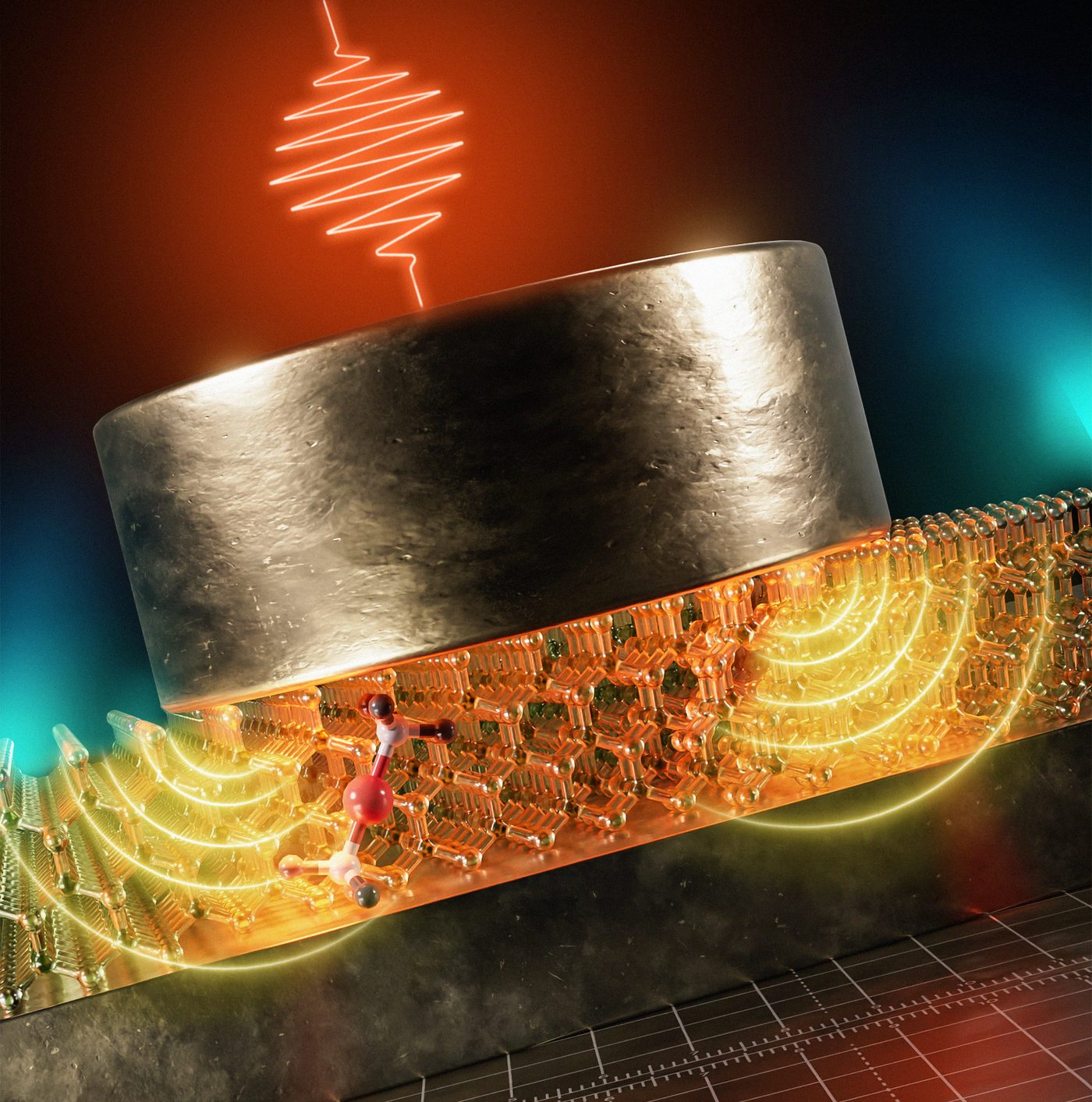
Artist's rendering of a gold nanodisk on a diamond membrane, with a picosecond light pulse arriving from above and a single silicon-vacancy emitter in the nanogap.
A nanogap cavity: a gold nanodisk on a diamond membrane, with a single emitter in the gap. Artist's rendering.
Portrait of Maiken H. Mikkelsen

Group leader

Professor Maiken H. Mikkelsen

Professor of Nanophotonics, Niels Bohr Institute · University of Copenhagen

Maiken H. Mikkelsen is an experimental physicist working at the intersection of nanophotonics, quantum optics and nonlinear optics. Her research explores how electromagnetic fields structured on atomic and ultrafast scales can control — and sometimes transform — the interaction between light and matter.

Before joining the University of Copenhagen in 2026 she was Professor of Electrical and Computer Engineering and of Physics at Duke University, where her group established new approaches to ultrafast single-photon emission, atomic-scale optical cavities, tunable strong coupling, and metasurface-enhanced photodetection. She led the Meta-Imaging MURI, an eight-university program funded by the U.S. Air Force Office of Scientific Research on sensing and computing with dynamic metasurfaces, and an NIH R01 program on nanophotonic biosensors for point-of-care diagnostics. She is a Fellow of Optica and received the American Physical Society's Maria Goeppert Mayer Award for her work in quantum nanophotonics.

The central idea

Light as a tool to control matter at the smallest scales

Most optical materials are described by their intrinsic properties — refractive index, nonlinear susceptibility, emission lifetime, response time. But these are not properties of the material alone. They depend on the electromagnetic environment the material sits in, including the vacuum itself.

We build that environment to order. Our cavities confine light to gaps a few nanometers wide, where the field varies on the scale of a single exciton and its gradients exceed anything found in nature. We place single quantum emitters and two-dimensional materials inside them, deterministically, across thousands of sites on a wafer.

In these cavities, emitters radiate ten thousand times faster than in free space, nonlinear responses appear that no bulk coefficient predicts, and a slow material can become an ultrafast detector. We are now asking how much further the idea reaches: how the rules of light–matter interaction are rewritten when the field varies across a single emitter, whether a cavity can change the phase of a material, and whether the environment itself can be changed — with femtosecond pulses — faster than the matter inside it can respond.

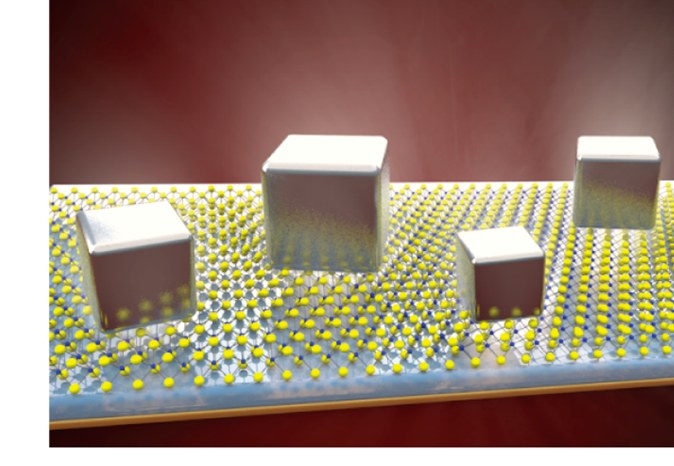
Rendering of silver nanocubes on a gold film over a layered substrate.
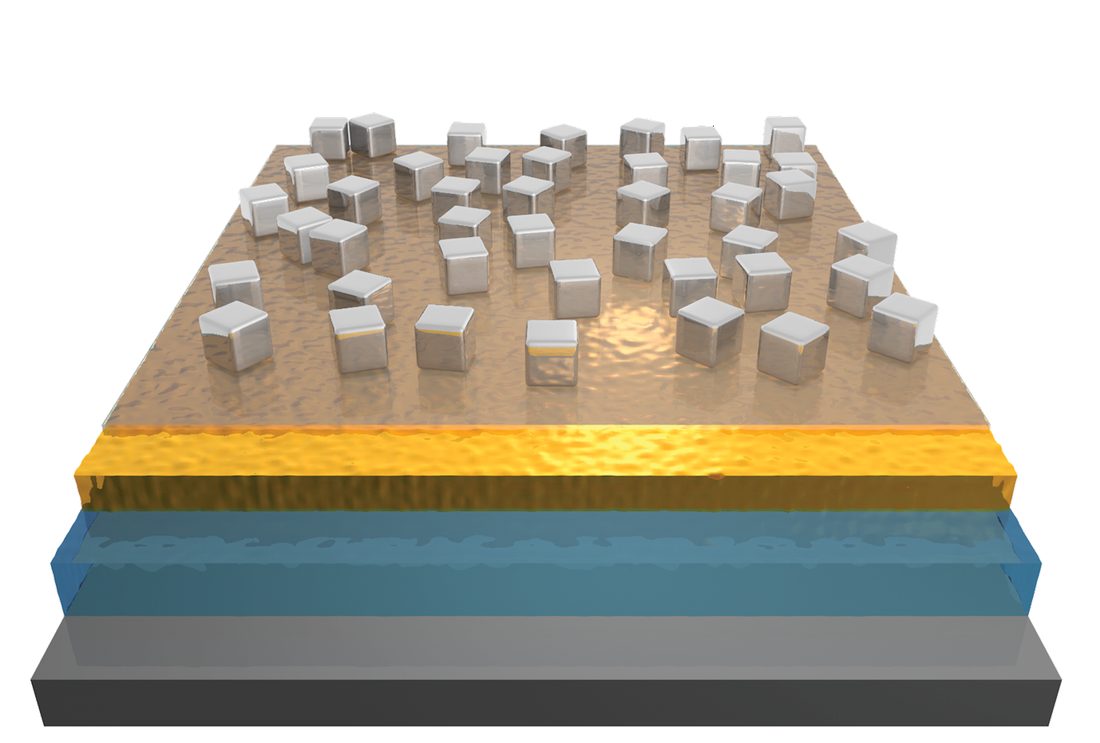
Silver nanocubes on a gold film: each cube forms a nanogap cavity with the film beneath it. Rendering.

Research

Four questions

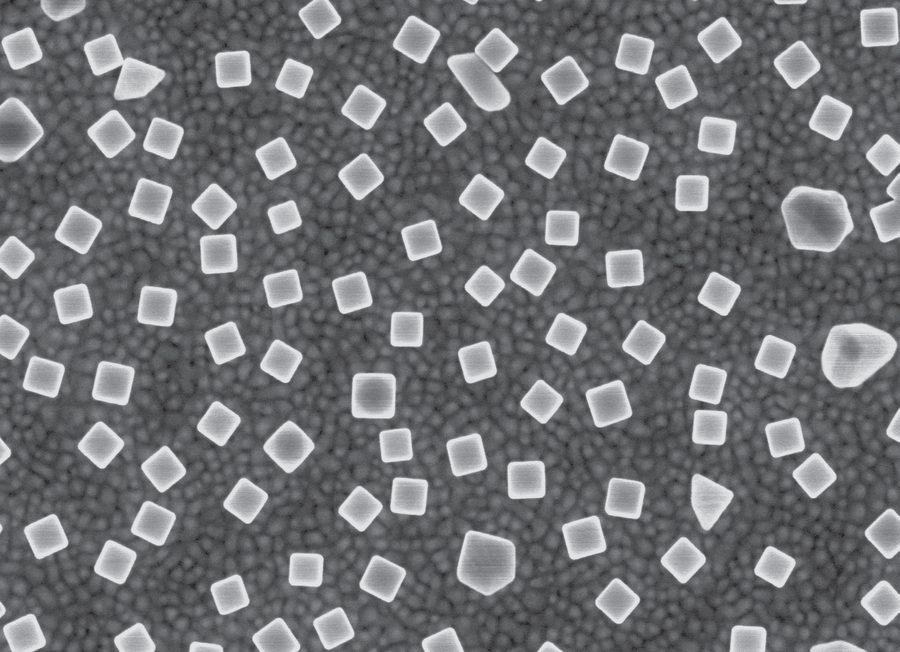
Scanning electron micrograph of silver nanocubes standing on a gold film.

Atomic-scale nanophotonics

How small can an optical cavity become — and what changes when it does?

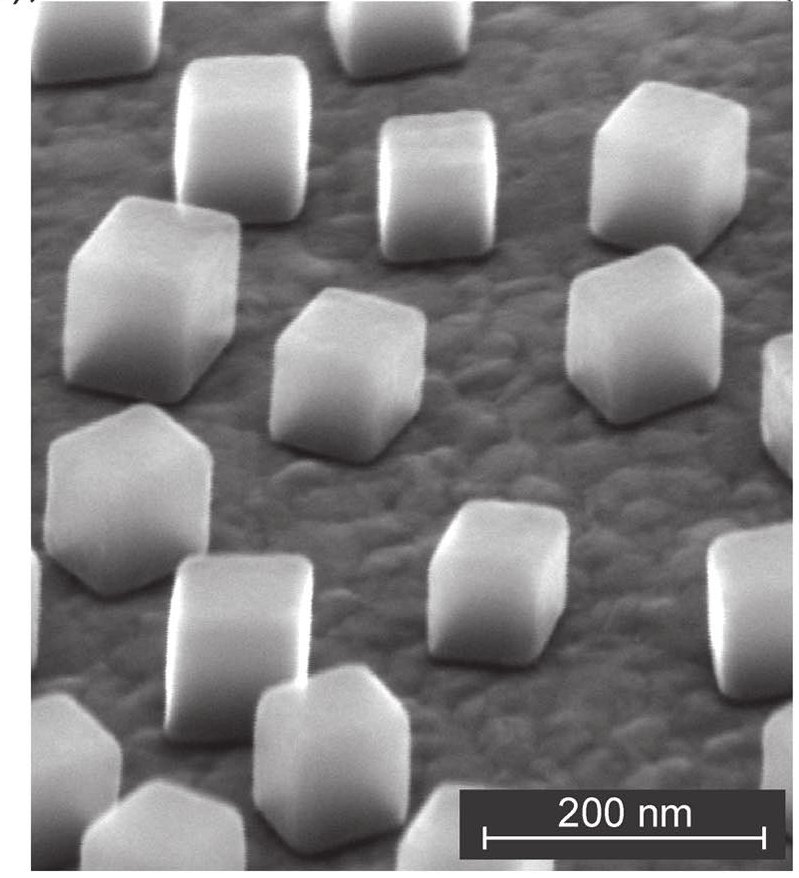
We design and fabricate optical cavities with gaps of a few nanometers, where light is confined to volumes millions of times smaller than a cubic wavelength. In this regime the usual rules of light–matter interaction stop applying.

Explore this area
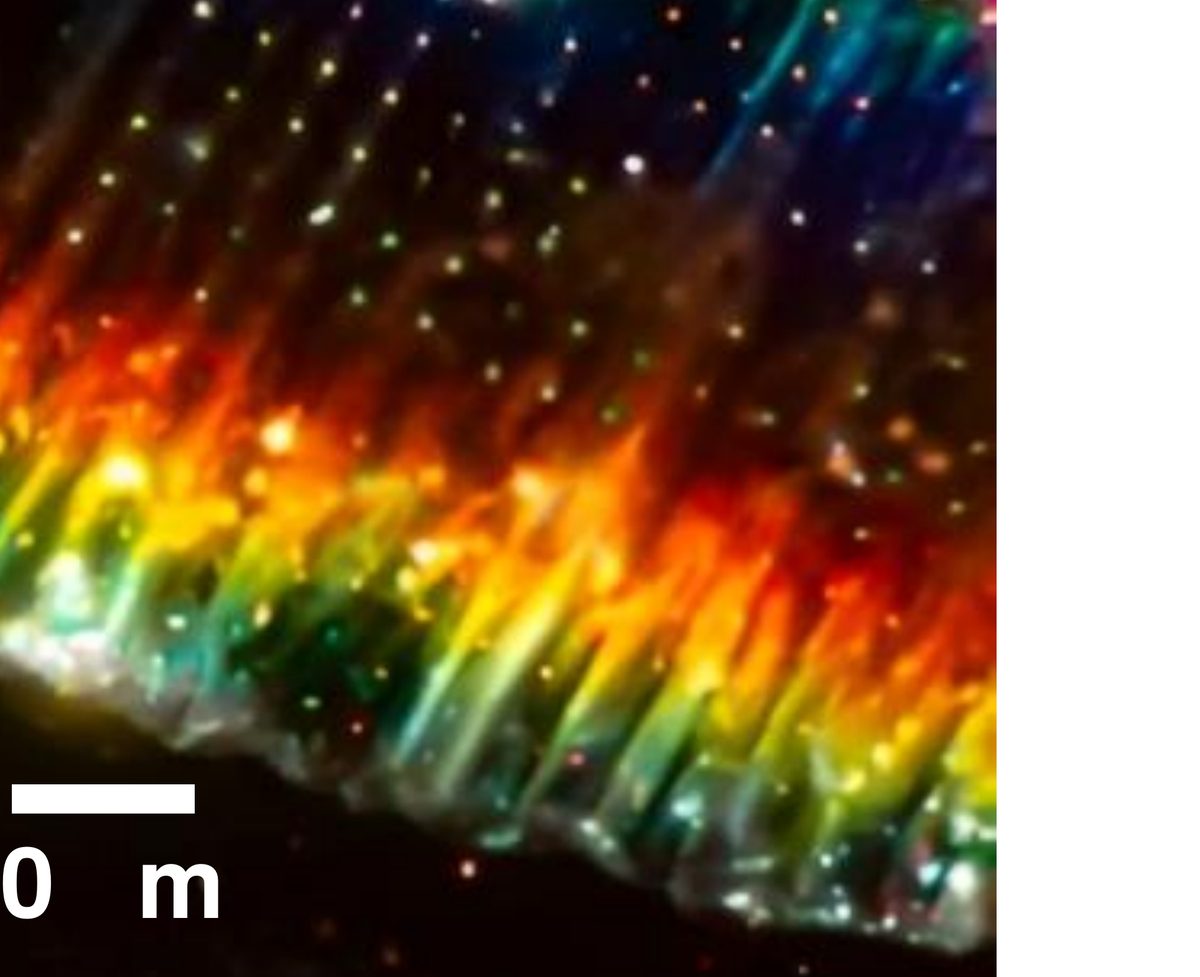
Dark-field micrograph of the edge of a thin diamond membrane, showing interference colors and bright points from individual emitters.

Quantum light–matter interactions

What can a single emitter do when the vacuum around it is engineered?

We place exactly one, two, or several quantum emitters inside nanogap cavities and study how the cavity rewrites their interaction with the vacuum. In this way we have made single-photon sources at telecom wavelengths with emission lifetimes of a few picoseconds.

Explore this area
Rendering of a beam of light striking silver nanocubes on a gold film, with the crystal lattice beneath glowing.

Nonlinear and ultrafast photonics

What happens to light and matter on femtosecond timescales in an extreme field?

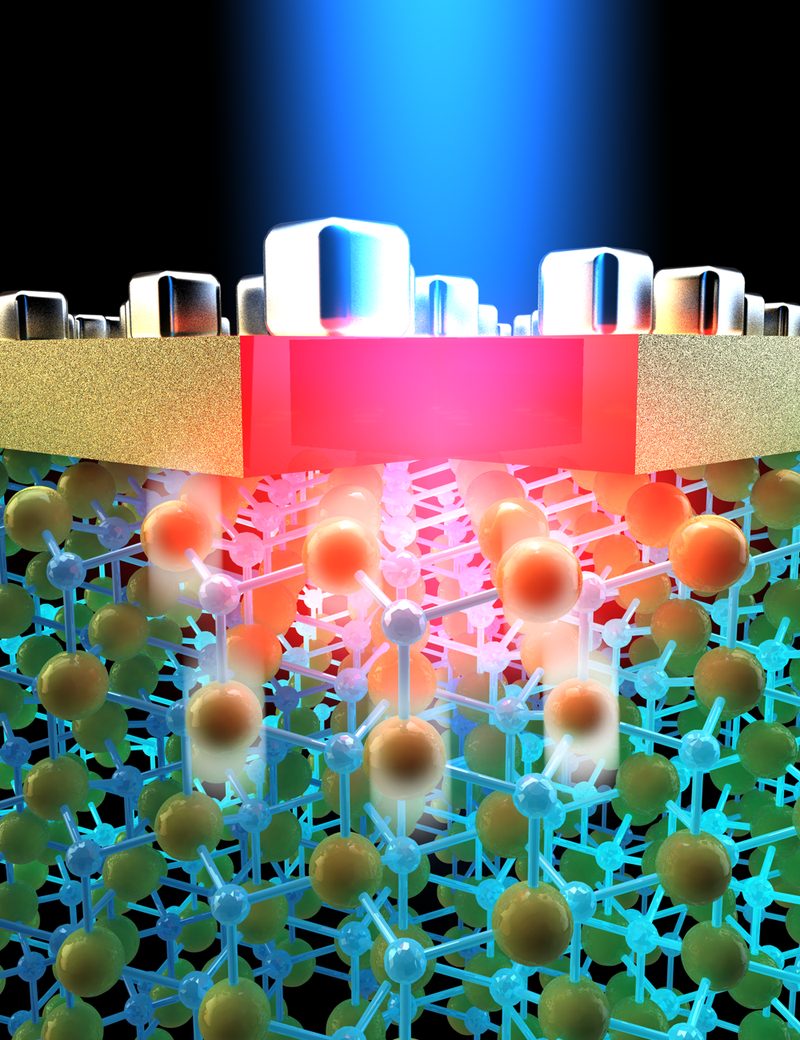
Extreme confinement creates enormous fields, gradients, and energy densities in nanoscale volumes. In our nanogap cavities, a few nanometers of ordinary dielectric become an efficient source of harmonic generation.

Explore this area
Illustration of silver nanocubes on a monolayer of MoS2 over a gold film, forming nanogap cavities around the two-dimensional material.

Cavity quantum materials

Can an electromagnetic environment change what a material is?

Materials are usually chosen for their intrinsic properties. We explore the reverse — an environment that activates behavior the material cannot show on its own.

Explore this area

From enhancement to new physics

Can an electromagnetic environment create behavior that could not exist otherwise?

Nanophotonics has traditionally asked how strongly an optical process can be enhanced. We ask a different question: can an electromagnetic environment beyond anything found in nature create behavior that could not exist otherwise?

Top-down scanning electron micrograph of silver nanocubes distributed over a gold film.

The lab

Built from the ground up

We are building the laboratory from the ground up in the Niels Bohr Institute's new building, with generous support from the Novo Nordisk Foundation. Instruments arriving through 2027:

  • Single-photon confocal spectroscopy with time-correlated detection and superconducting nanowire detectors
  • Tunable picosecond and femtosecond sources, including a two-OPA pump–probe system with broadband transient absorption
  • Closed-cycle cryostats with in-plane and vector magnetic fields for magneto-optical spectroscopy down to liquid-helium temperatures
  • Van der Waals heterostructure assembly in inert atmosphere

Nanofabrication is carried out in the NBI nanofabrication facilities and the DTU Nanolab cleanroom. The Niels Bohr Institute hosts world-leading groups in quantum optics, quantum photonics, and condensed-matter physics, and Copenhagen has strong quantum photonics and 2D-materials communities at both NBI and DTU.

The Niels Bohr Building on Jagtvej.
The Niels Bohr Building, Jagtvej 155.
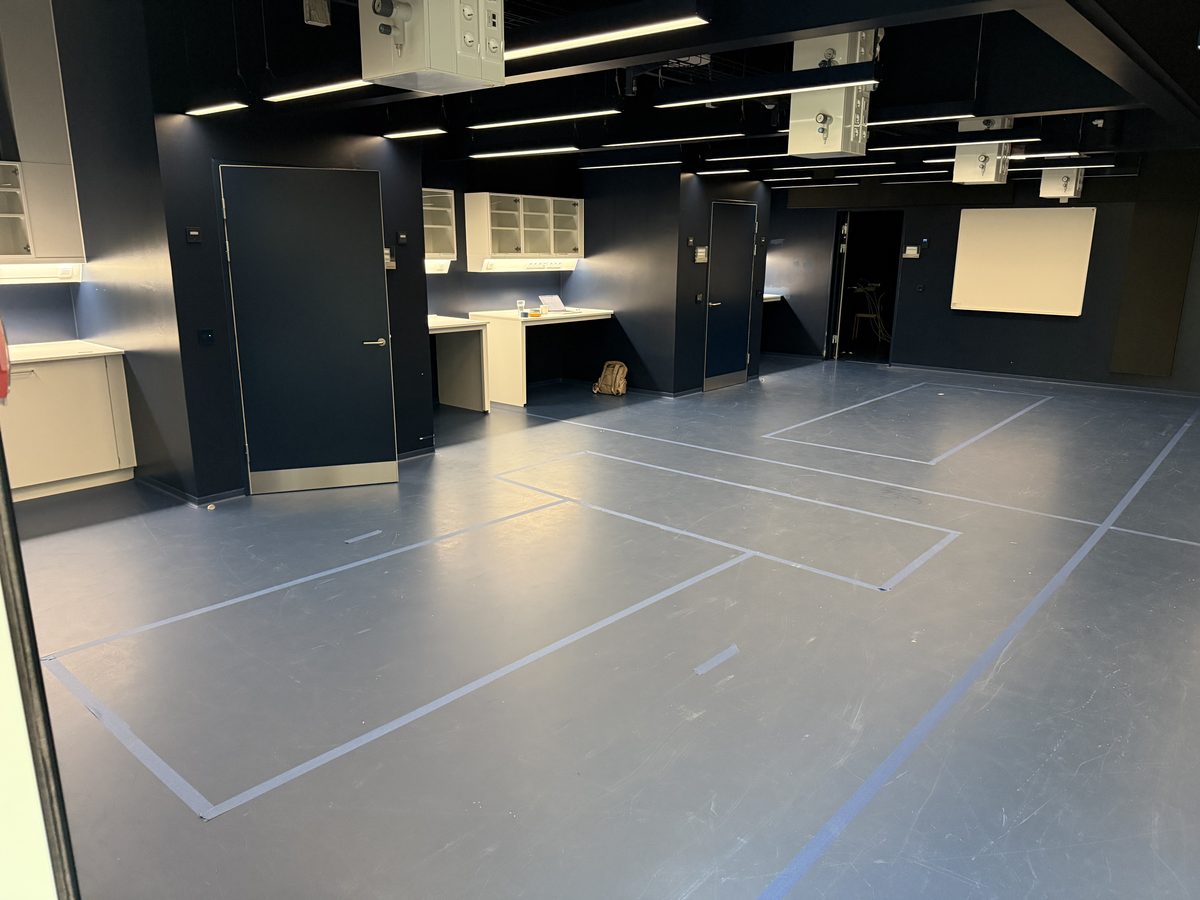
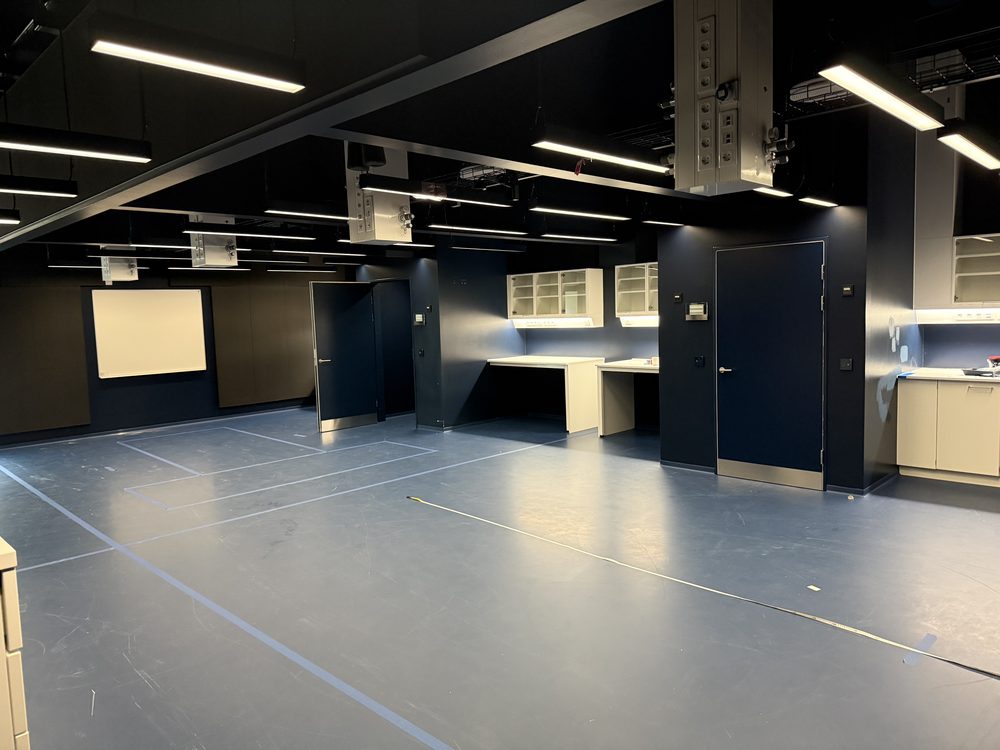
The new, empty laboratory with tape outlines marking where optical tables will stand.
The new laboratory, September 2026. The tape marks where the optical tables will stand.

Selected discoveries

From fundamental physics to the clinic

Full publication list
Nature Photonics 2014

Where extreme enhancement comes from

Film-coupled nanocube cavities enhance the emission rate of embedded emitters more than a thousandfold while keeping the light bright and directional. This work identified the mechanisms behind the enhancement and established the platform that underlies everything the group does.

Akselrod et al., Nature Photonics 8, 835 (2014) · Read the paper

ACS Nano 2025

Ultrafast single photons at telecom wavelengths

A single colloidal quantum dot in a nanogap cavity emits single photons at 1550 nm with a lifetime of a few picoseconds — a radiative rate enhanced more than 10,000-fold while keeping half its quantum efficiency — at room temperature and made entirely from solution-processed components.

Zhang et al., ACS Nano 19, 19035 (2025) · Read the paper

Nanophotonics 2021

Second-harmonic light from a material that has none

Diamond is centrosymmetric and has no bulk second-order nonlinearity. Inside nanogap cavities, a diamond film only 12 nanometers thick becomes a bright source of second-harmonic light, enhanced ten-million-fold, while several nonlinear processes run in the same cavity at once — a nanoscale frequency converter in a material that should not be one.

Shen et al., Nanophotonics 10, 589 (2021) · Read the paper

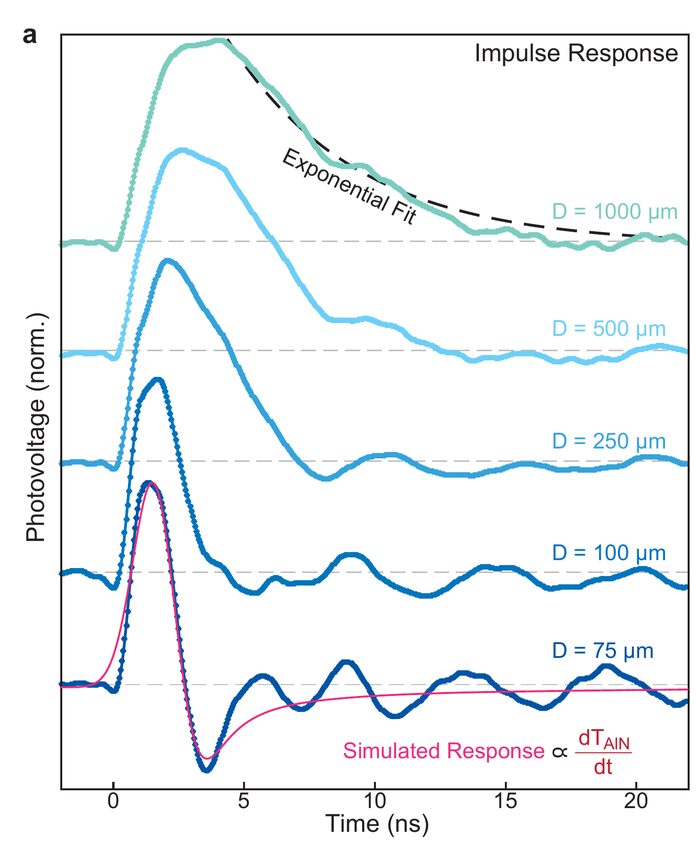
Impulse-response traces of metasurface pyroelectric detectors of decreasing size, showing sub-nanosecond response.

Making a slow material ultrafast

Pyroelectric detectors are limited by how fast heat can move. By structuring the absorber as a metasurface only nanometers thick, we made a pyroelectric photodetector with sub-nanosecond response and built-in spectral selectivity — and have since pushed the same idea to gigahertz speeds.

Stewart et al., Nature Materials 19, 158 (2020); Shin et al., Adv. Funct. Mater. 36, 2420953 (2026) · Read the paper

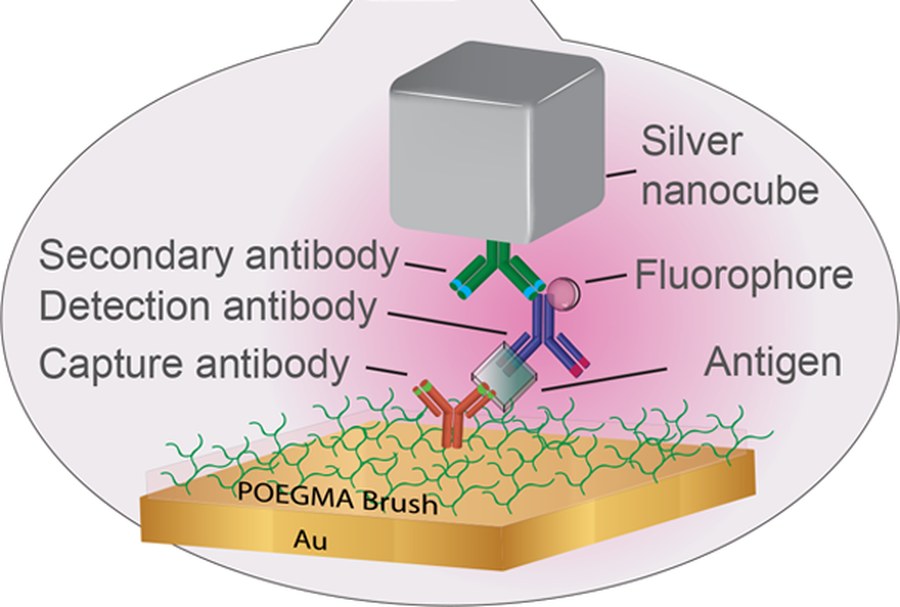
Schematic of an inkjet-printed antibody sandwich assay on a polymer brush over gold, capped by a silver nanocube that forms a nanogap cavity around the fluorophore.

Ultrabright readout for point-of-care diagnostics

An inkjet-printed immunoassay for the cardiac biomarker BNP was built directly inside nanogap cavities — antibodies on a nanometer-thin polymer brush over gold, capped with silver nanocubes. The cavity brightens the fluorescence more than a hundredfold and improves the detection limit fourteen-fold, so that inexpensive point-of-care readers can do the job of a laboratory scanner. With Ashutosh Chilkoti’s group; supported by an NIH R01.

Cruz et al., Nano Letters 20, 4330 (2020) · Read the paper

Join us in Copenhagen

Founding members wanted

We are building a new research group and looking for curious experimentalists who want to explore fundamental questions at the boundaries of optics, materials, and quantum science. The people who join now will be founding members of the lab — building the first experiments with us, commissioning instruments as they arrive, and producing its earliest results.

Postdoctoral positionsExperimental nanophotonics and quantum optics · Posting and application
Assistant Professor (fixed term)Cavity quantum materials and 2D magneto-optics · posting coming soon; informal inquiries welcome now
PhD and master's projectsWrite to us

Salaries, benefits, and how to get in touch

The empty laboratory with tape outlines for optical tables.
This is the lab. Help us fill it.